Table of contents
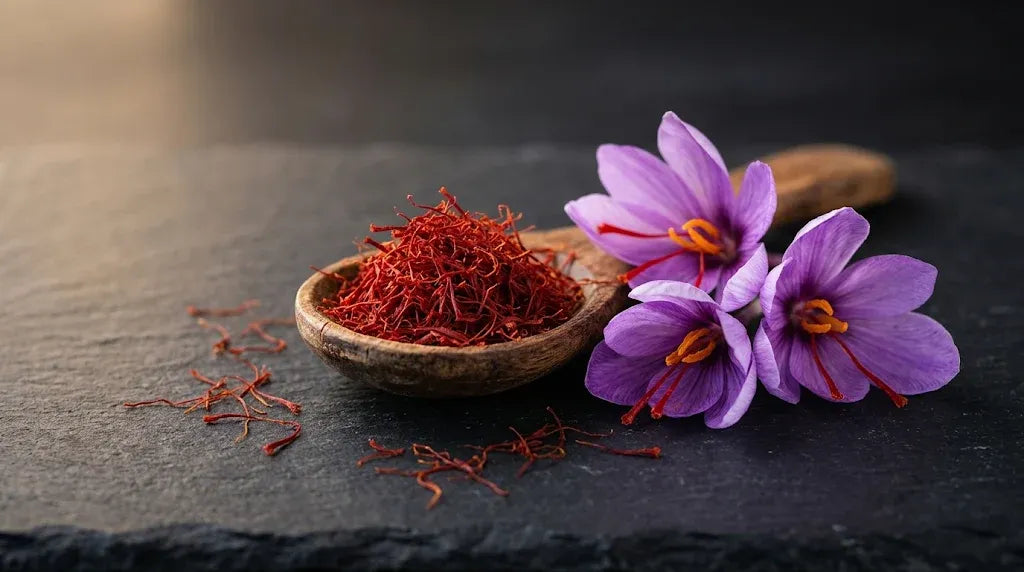
Saffron is a spice made from the dried red stigmas of the saffron crocus flower, Crocus sativus. Each flower holds only three of these thin threads, and they are picked by hand, which is why saffron is the most expensive spice by weight. In the kitchen, a small pinch gives food a golden yellow color, a floral aroma and a gently bitter, honeyed taste. Prime Saffron sells Super Negin saffron grown in Herat, Afghanistan, and packed in California.
The Saffron Crocus
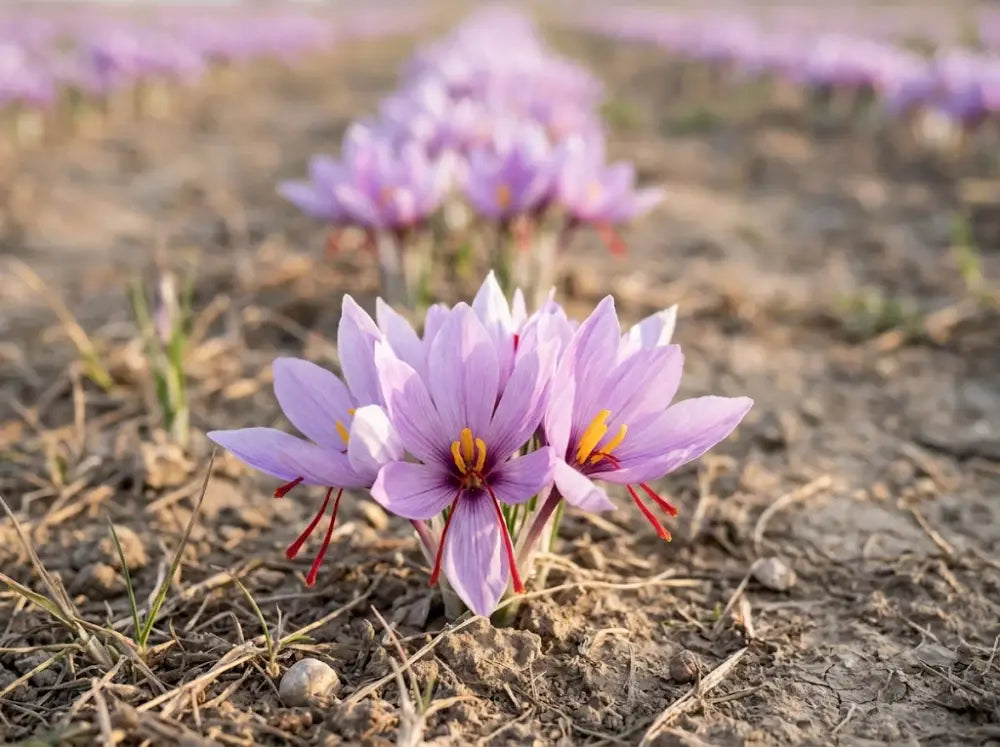
Any answer to what is saffron starts with the flower. The saffron crocus is a small purple flower that blooms in autumn. Each blossom has six purple petals, three yellow stamens and a single pistil that splits into three crimson stigmas. Those stigmas are the spice. The plant is sterile, so it can't grow from seed. Farmers plant its corms, small bulbs that multiply underground from one season to the next.
Where Saffron Grows
Saffron does best in places with hot, dry summers and cool autumns. Iran grows the large majority of the world's supply, often estimated at around 90 percent. Afghanistan is a growing producer, and most Afghan saffron comes from Herat province near the Iranian border. One study found Herat accounted for about 95 percent of the country's saffron in 2023. Spain, India (Kashmir), Greece, Morocco and Italy grow smaller amounts.
Origin affects how saffron is graded and sold, though growing conditions and handling matter as much as the country on the label. Our comparison of Afghan vs Spanish vs Iranian saffron covers those differences in more detail.
How Saffron Is Harvested
The flowers bloom over a few weeks in October and November. Pickers gather them by hand early in the morning, before the blossoms open fully. The red stigmas are then pulled from each flower by hand and dried. Drying is where the color concentrates and the smell develops. Safranal, the main aroma compound, forms as the threads dry.
The yield is tiny. A single flower gives about 7 milligrams of dried saffron, so it takes roughly 150 flowers to make one gram.
Why Is Saffron So Expensive?
Saffron costs more than any other spice because almost every step is done by hand and the harvest is so small. A pound of saffron takes somewhere around 70,000 to 80,000 flowers, all picked during a short autumn window. Each one has to be opened, the stigmas removed, and the threads dried and sorted.
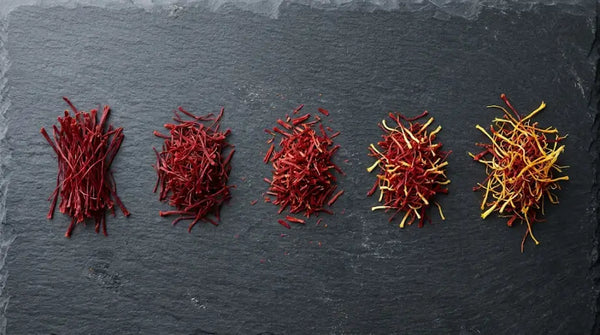
Grade also plays a role. Top grades like Super Negin contain only the deep red part of the stigma, with the pale yellow style removed. That trimming means fewer grams from the same harvest, but more color and flavor per gram. To see what that means in real numbers, the saffron price page breaks costs down by gram, ounce and pound.
The good news is that you need very little. A pinch of 15 to 20 threads is enough for a pot of rice that serves four to six people, so a single gram goes a long way.
Saffron's Flavor Profile
Good saffron tastes floral and honeyed with a light bitter edge, and it smells a bit like dried hay. Three natural compounds create that character. Crocin gives the golden color, picrocrocin brings the bitter taste, and safranal carries most of the aroma.
The flavor is subtle when used well and harsh when overdone. Too much saffron turns a dish bitter and almost medicinal, which is why recipes call for such small amounts. Saffron pairs well with rice, cream, seafood, chicken, cardamom, rosewater and citrus.
Cooking With Saffron
Saffron works best when you soak it in a little liquid before it goes into the dish. Its color and flavor dissolve in water, but they need a few minutes to leave the threads. Once soaked, saffron can go into rice, stews, sauces, baked goods and drinks.
How to Bloom Saffron Threads
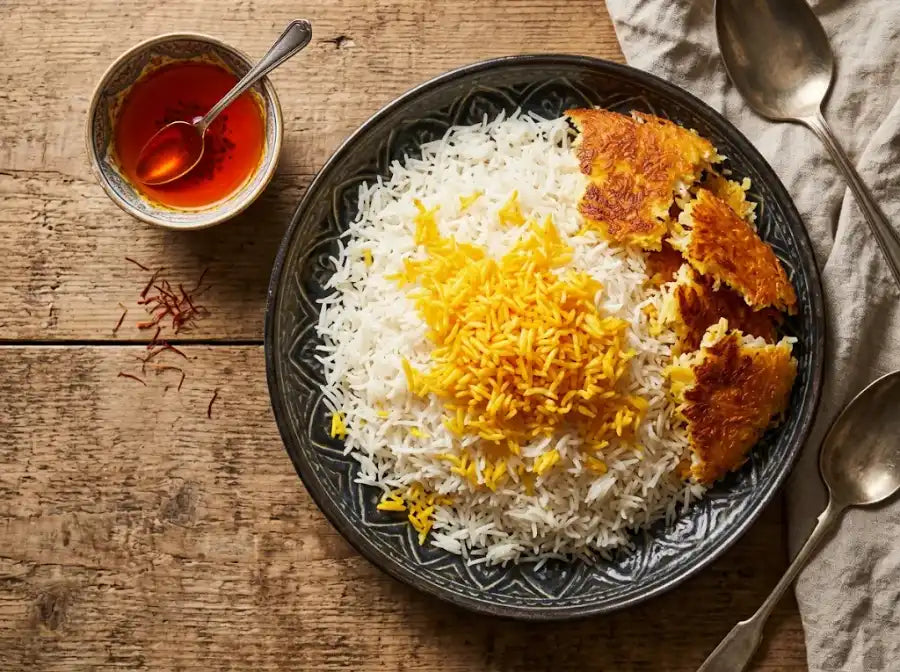
Crush a pinch of threads with your fingers or a small mortar and pestle. Put them in a small bowl with two or three tablespoons of hot water, milk or broth, and let them sit for 10 to 20 minutes. The liquid will turn deep orange gold. Add both the liquid and the threads to your dish. Many Persian cooks bloom ground saffron over a couple of ice cubes instead, letting them melt slowly for a concentrated result.
Classic Dishes With Saffron
Saffron shows up in some of the best known dishes from Spain to South Asia. A few to start with:
- Paella, the Spanish rice dish cooked in a wide pan with seafood, chicken or vegetables
- Risotto alla milanese, a creamy Italian rice colored with saffron
- Persian chelow and tahdig, steamed rice topped with saffron colored grains and a crisp golden crust
- Biryani, layered rice with spiced meat or vegetables
- Bouillabaisse, the Provençal fish stew
- Saffron rice pudding, saffron ice cream and Swedish saffron buns
How to Choose Real Saffron
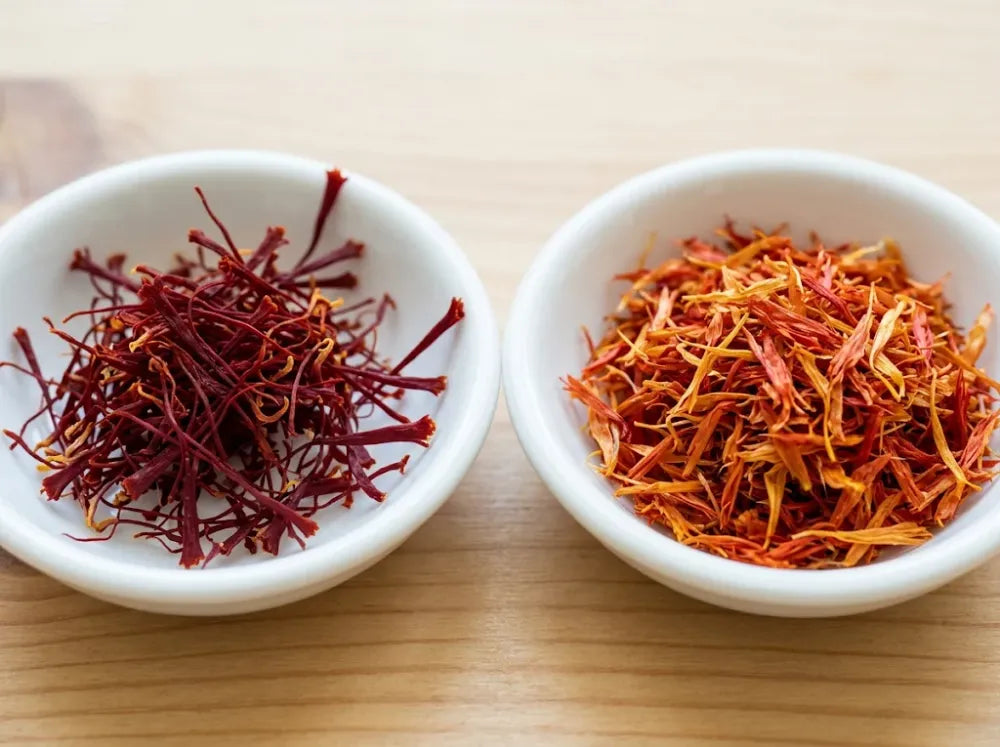
Real saffron is made of deep red threads that are dry, brittle and slightly flared at one end. It smells sweet and haylike, and it colors warm water slowly. Because saffron is so valuable, it is one of the most frequently faked foods, so where you buy it matters as much as how it looks.
A lab report gives you the clearest picture. Saffron is graded under the ISO 3632 standard, which measures coloring strength, bitterness and aroma. You can see how our tested sample scored in the saffron lab test results.
Saffron Threads vs. Powder
Threads are the safer choice for most cooks. You can see what you're buying, check the color and shape, and crush them yourself right before cooking, which keeps the aroma fresher. Powder is convenient and blends instantly, but it is much easier to cut with cheaper yellow or red spices such as turmeric or paprika, and you can't inspect it by eye.
If you do buy powder, choose a seller who discloses its origin and grade. The guide to saffron grades explains what Super Negin, Negin, Sargol and Pushal mean so you can compare threads with confidence.
Signs of Adulteration
Fake saffron is often made from safflower petals, calendula, dyed corn silk, pomegranate fibers or even dyed paper strips. Some products are real saffron coated in syrup or glycerin to add weight. Watch for these warning signs:
- Threads that are all the same thickness with no flared tip, or that look frayed and wiry
- Orange, yellow or uneven color, or a mix of red threads with lots of yellow bits
- Little or no smell, or a smell that isn't floral and haylike
- Water that turns red almost instantly, or threads that go pale or white in water
- A price far below what other sellers charge for the same grade
The warm water test is easy to try at home. Drop a few threads in a glass of warm water. Real saffron releases a golden yellow color gradually over several minutes, and the threads stay red.
Saffron Basics in Review
If someone asks you what is saffron, the short answer is this: it's the hand picked, dried stigma of the saffron crocus, grown mainly in Iran and Afghanistan. It is expensive because each flower yields three tiny threads, but a pinch is all most dishes need. Bloom it in warm liquid before cooking, buy whole threads from a seller who shares origin and lab results, and use the water test if you're unsure. When you're ready to try Afghan Super Negin threads, you can buy saffron online from Prime Saffron in jars from 1 to 5 grams.
Saffron FAQs
1. Why Do Red Saffron Threads Turn Food Yellow?
Saffron's color comes from crocin, a natural pigment that dissolves in water. In concentrated form it looks red, but spread through a dish it shows as golden yellow.
2. Can Turmeric Replace Saffron?
Turmeric can copy the yellow color, but not the flavor. It tastes earthy and peppery, while saffron is floral and honeyed, so the dish will taste different.
3. How Long Do Saffron Threads Stay Fresh?
Stored airtight in a cool, dark place, threads keep good quality for a year or two, though color strength slowly declines over time. Ground saffron fades faster, so keep threads whole until you cook.